Practical Organization Methods
Discover step-by-step techniques for organizing textiles using methods that respect natural materials and promote healthy living environments.
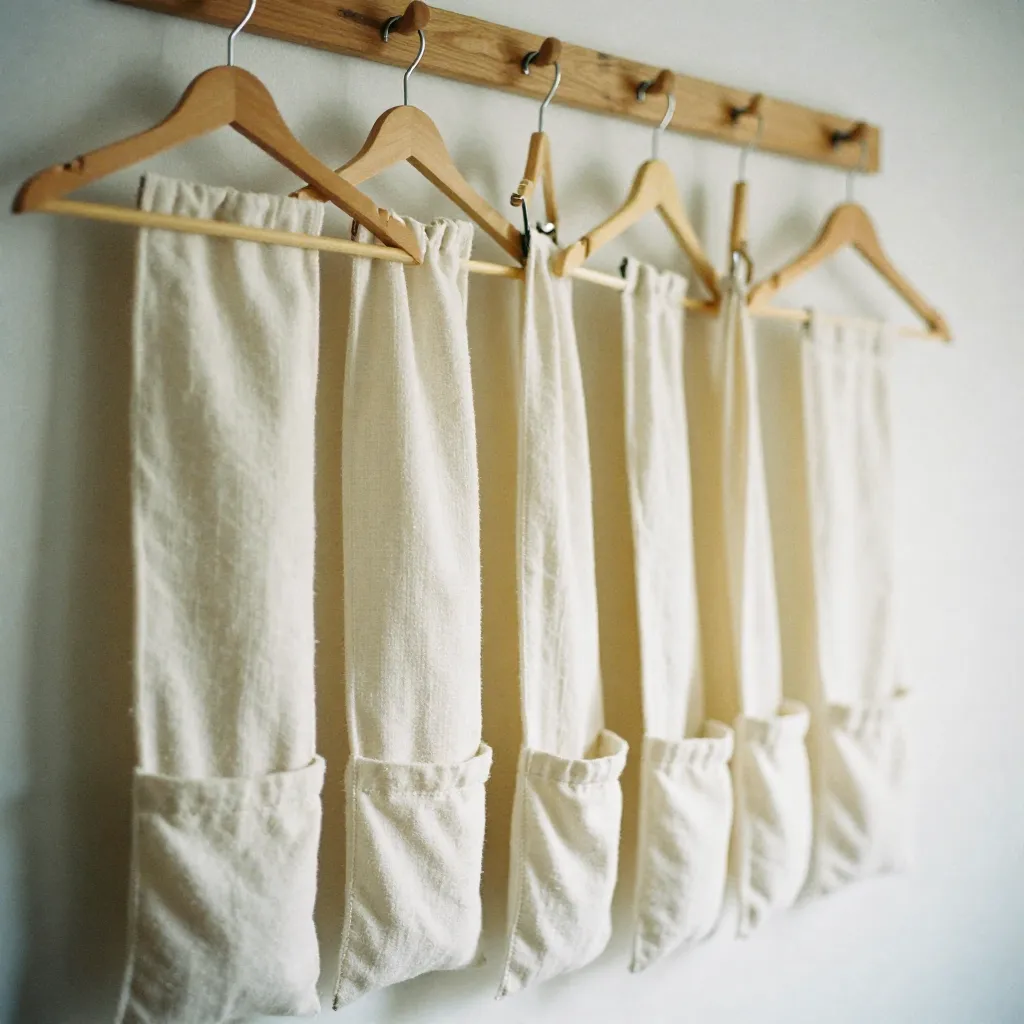
Natural Folding Approaches
Material-Aware Folding
Different natural fibers respond differently to folding techniques. Understanding these responses helps preserve fabric structure while creating organized storage solutions.
Linen benefits from loose folds that allow natural creases to relax, while cotton can handle more structured folding patterns without damage.
Hemp and bamboo blends require specific attention to prevent permanent creasing that can affect the material's natural drape.
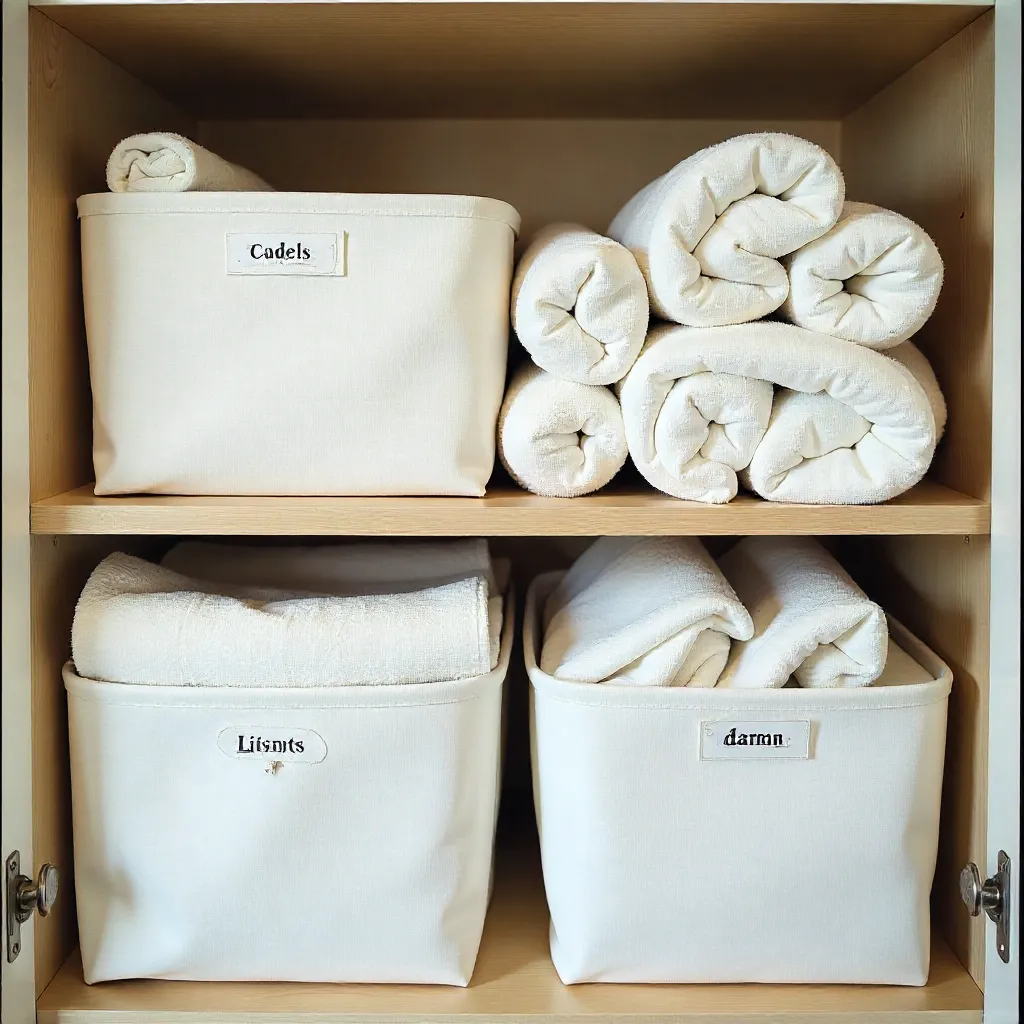
Breathable Storage Solutions
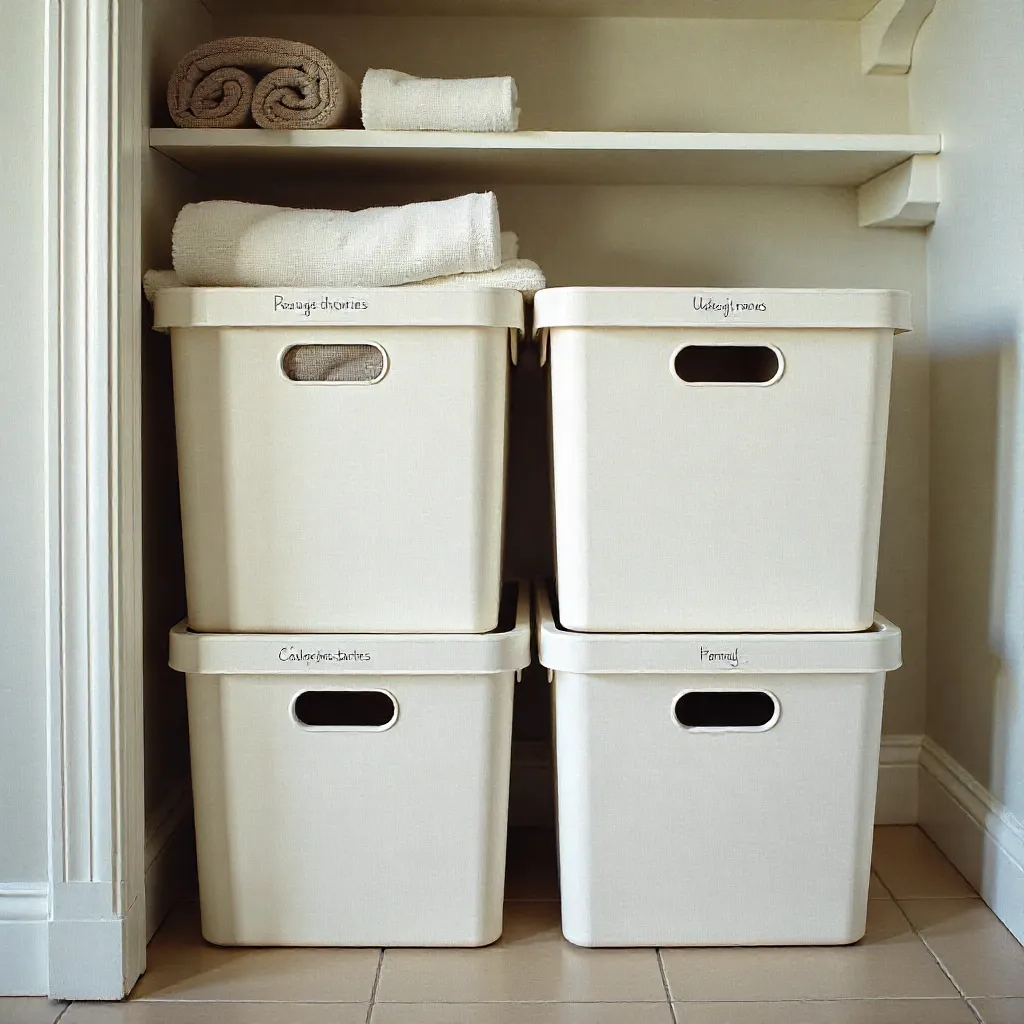
Modular Container Systems
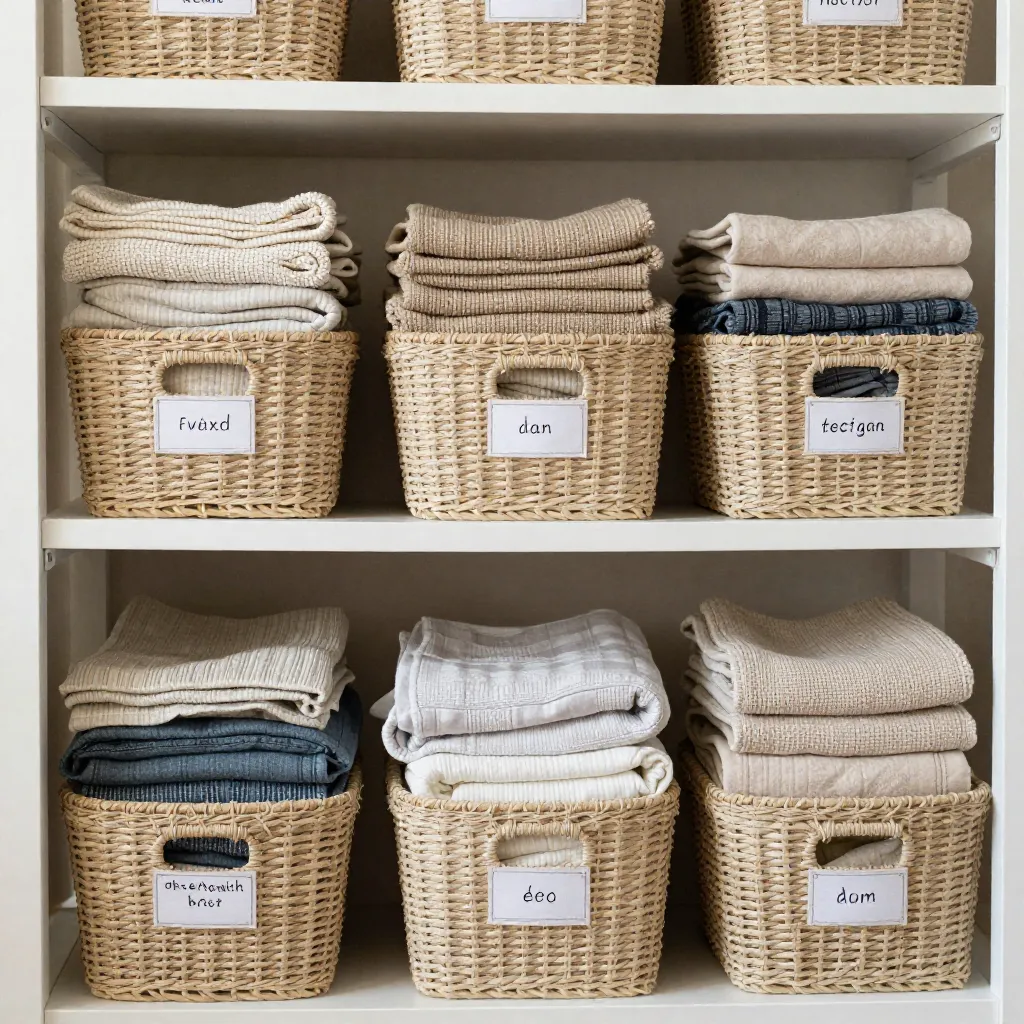
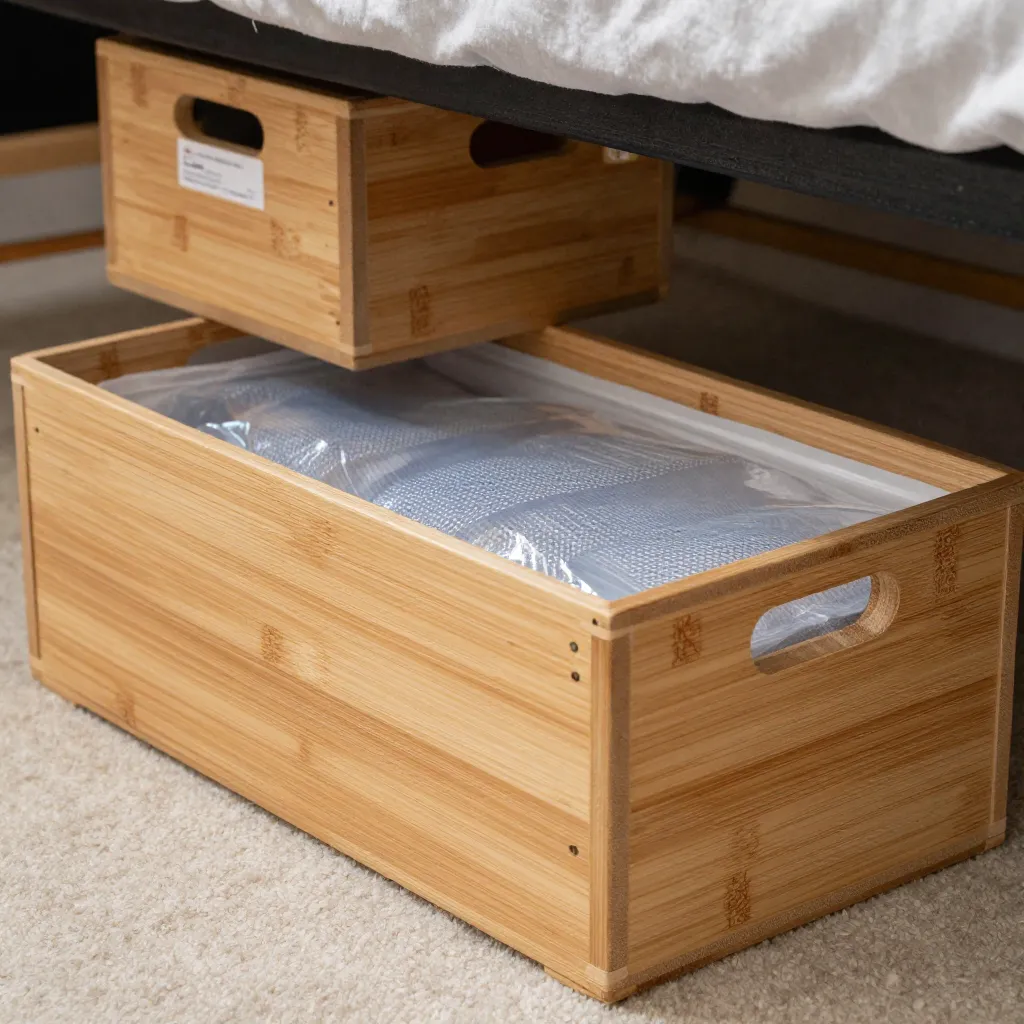
Stackable containers with ventilation features allow for flexible organization while maintaining consistent air circulation around stored textiles.
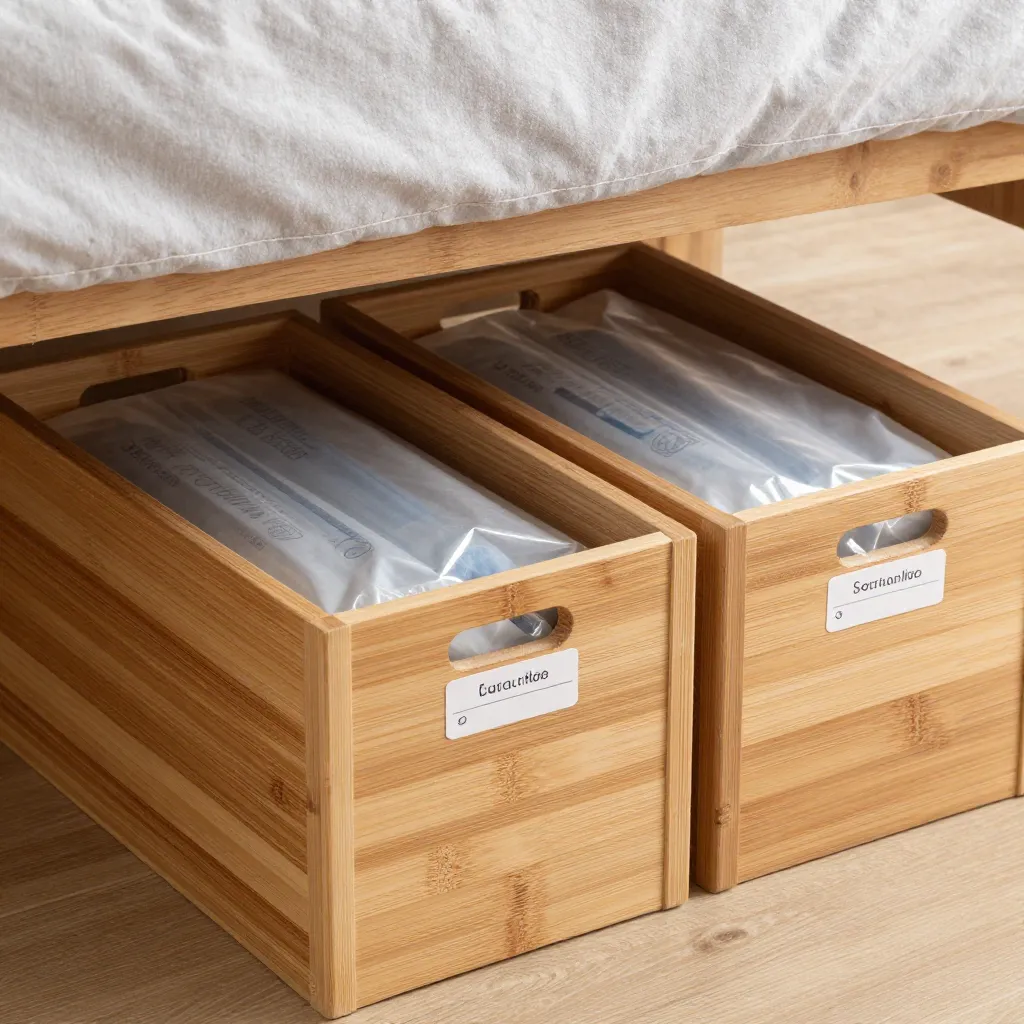
Open-Air Organization
Methods that utilize open shelving and hanging systems promote natural airflow and make textiles easily accessible for regular use.
Climate-Controlled Areas
Identifying spaces in your home with optimal humidity and temperature levels helps maintain textile quality over extended periods.
Regular Rotation Methods
Seasonal Rotation
Rotating textiles based on seasonal needs ensures all items receive regular use and prevents long-term storage issues that can affect fabric quality.
This practice also helps identify items that may need attention before problems develop, maintaining your collection in optimal condition.
Regular rotation supports even wear patterns and prevents some items from being forgotten in storage areas.
Ongoing Maintenance Practices
Visual Inspection Schedules
Regular visual checks help identify potential issues early, allowing for timely adjustments to storage conditions or organization methods.

Preventive Care
Simple preventive measures, such as ensuring adequate spacing between stored items, help maintain optimal conditions for natural materials.
Getting Started with Methods
Step-by-Step Approach
Begin with one area of your home and one type of textile. This focused approach allows you to develop familiarity with the methods before expanding to other areas.
Document your observations as you implement techniques, noting what works well in your specific environment and what adjustments might be needed.
Gradually expand your organization system as you become comfortable with the methods, building a comprehensive approach tailored to your needs.
Adaptation and Refinement
As you work with these methods, you'll develop insights into how they apply to your specific living situation and textile collection.
Regular assessment helps refine your approach, creating increasingly effective organization solutions over time.
Remember that organization is an ongoing process, and methods can be adjusted as your needs and circumstances change.