Understanding Natural Fibers
Explore the unique characteristics of different natural textile materials and learn how to organize them effectively using methods that respect their inherent properties.
Organic Cotton Characteristics
Fiber Properties
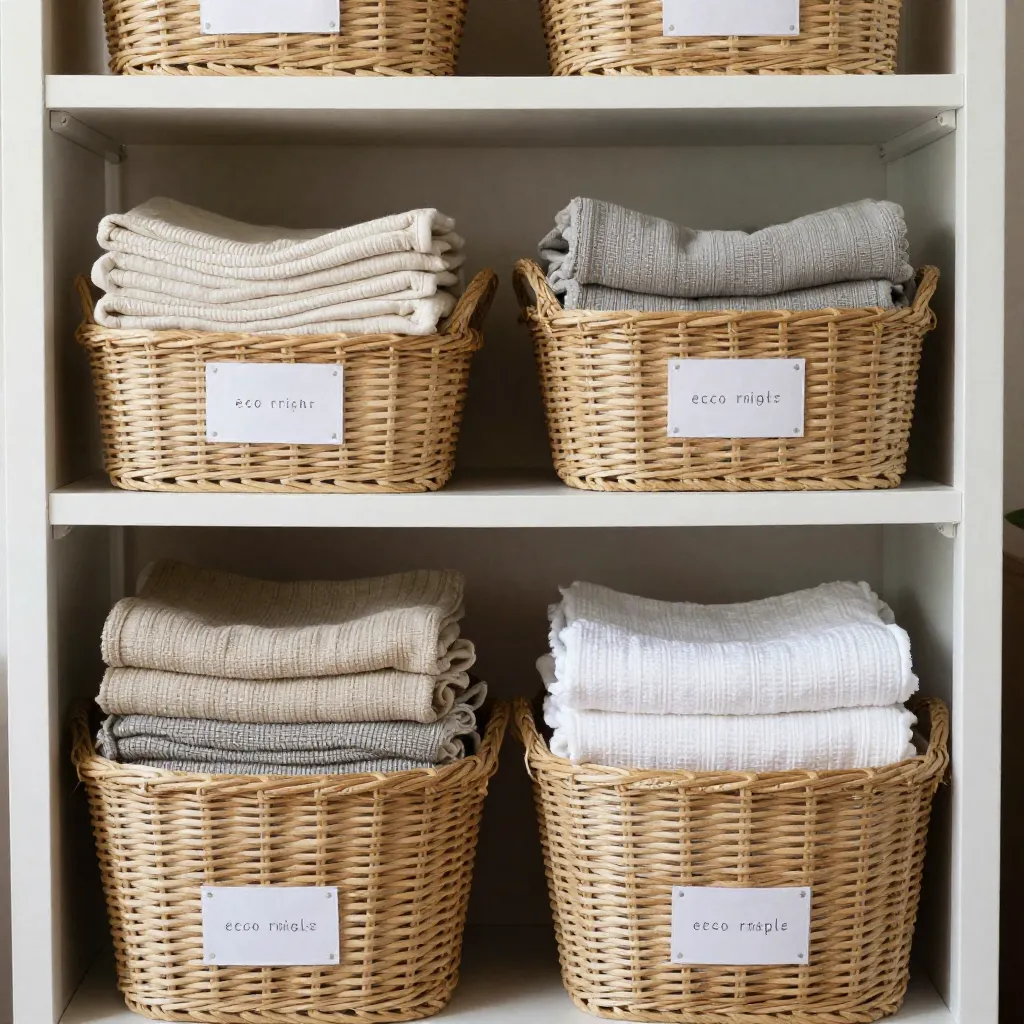
Organic cotton is known for its softness and breathability. When organizing cotton textiles, it's important to allow for adequate air circulation to prevent moisture buildup.
Cotton can handle more structured folding than some other natural fibers, making it suitable for various organization methods including stacking and rolling techniques.
Storage areas should maintain moderate humidity levels, as cotton can be affected by both excessive dryness and high moisture conditions.
Linen Fiber Considerations

Natural Wrinkling
Linen's natural tendency to wrinkle requires organization methods that minimize creasing while allowing the fabric to relax naturally over time.
Breathability Benefits
Linen's excellent breathability makes it ideal for storage methods that promote air circulation, helping maintain fabric quality in various conditions.
Hanging Storage
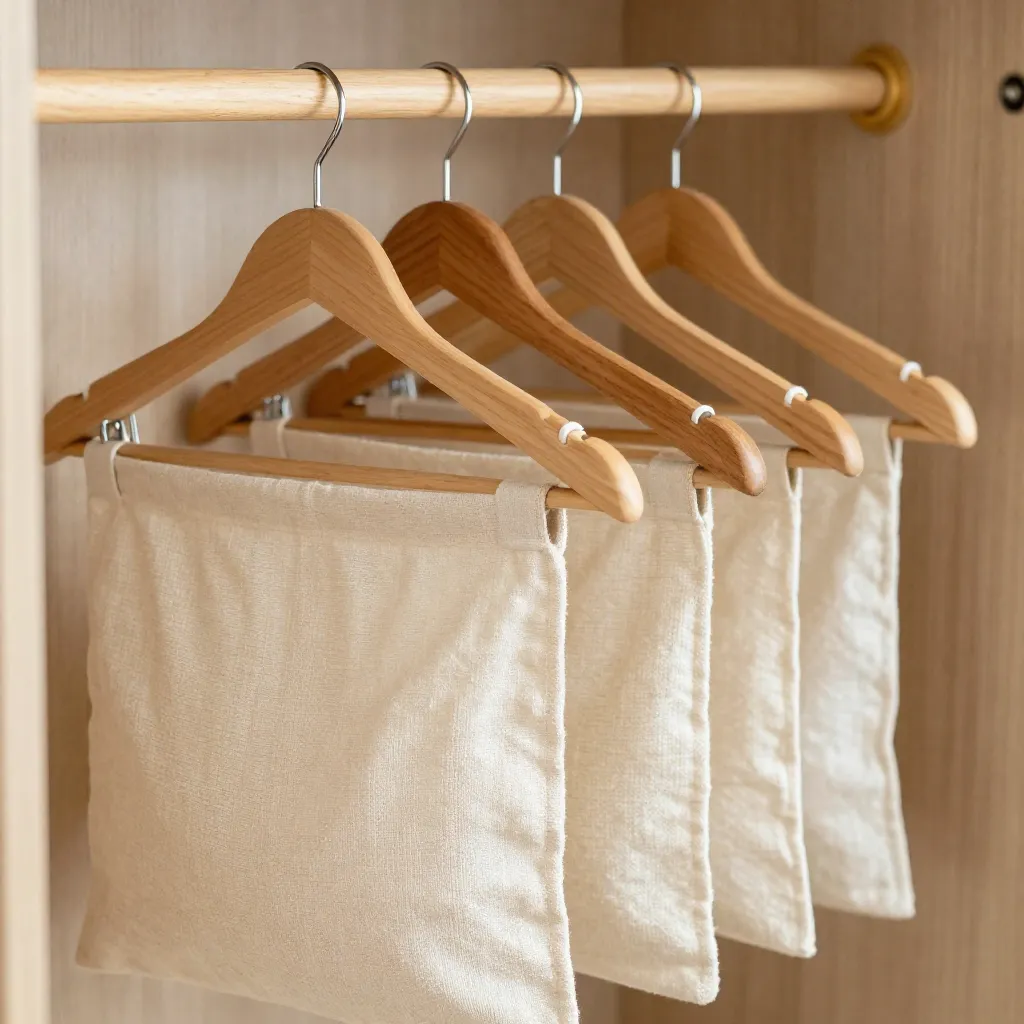
Linen often benefits from hanging storage methods that allow the fabric to drape naturally and reduce the formation of permanent creases.
Hemp and Bamboo Blends

Blended Fiber Properties
Hemp and bamboo blends combine the durability of hemp with the softness of bamboo, creating materials that require specific organization approaches.
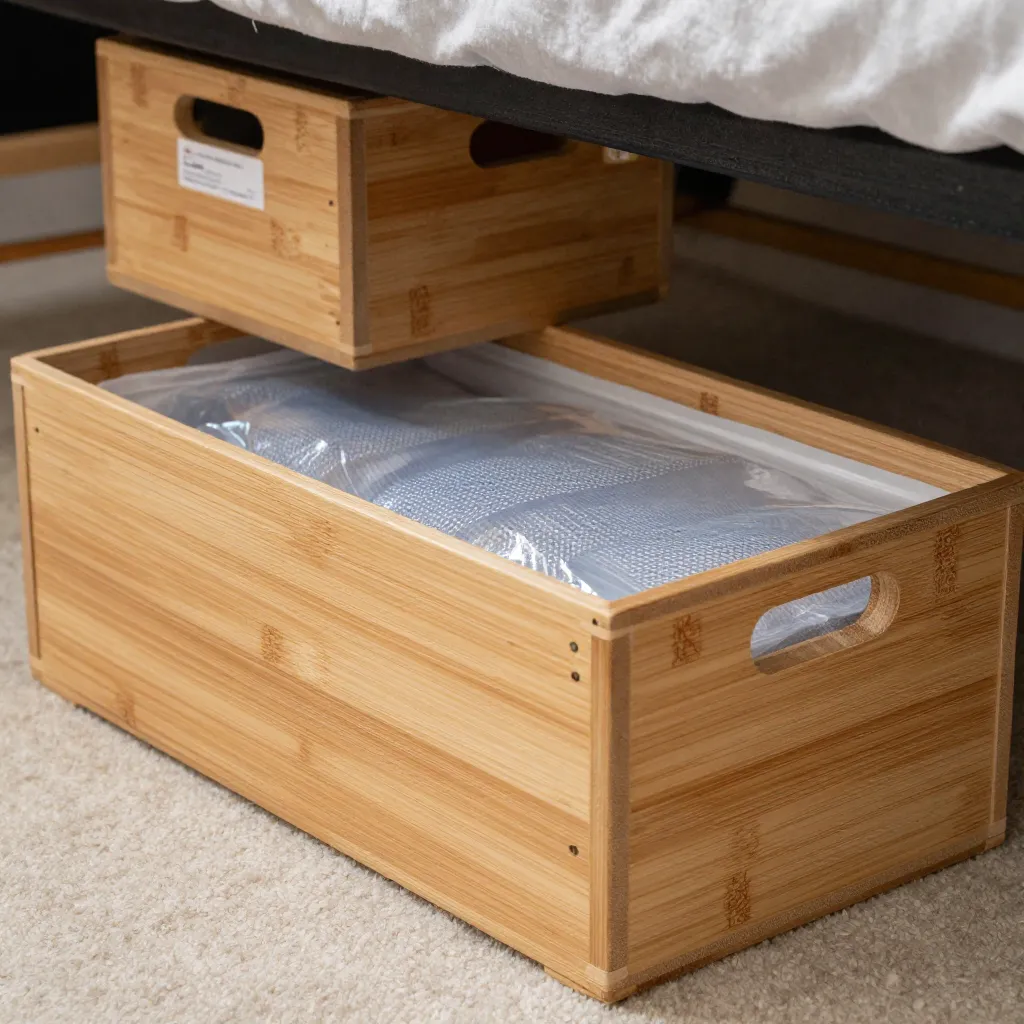
These blends benefit from storage methods that prevent excessive compression, as they can develop permanent creases if stored improperly.
Moderate humidity levels and consistent air circulation help maintain the natural properties of these blended materials over time.
Tailored Storage Solutions
Fiber Identification
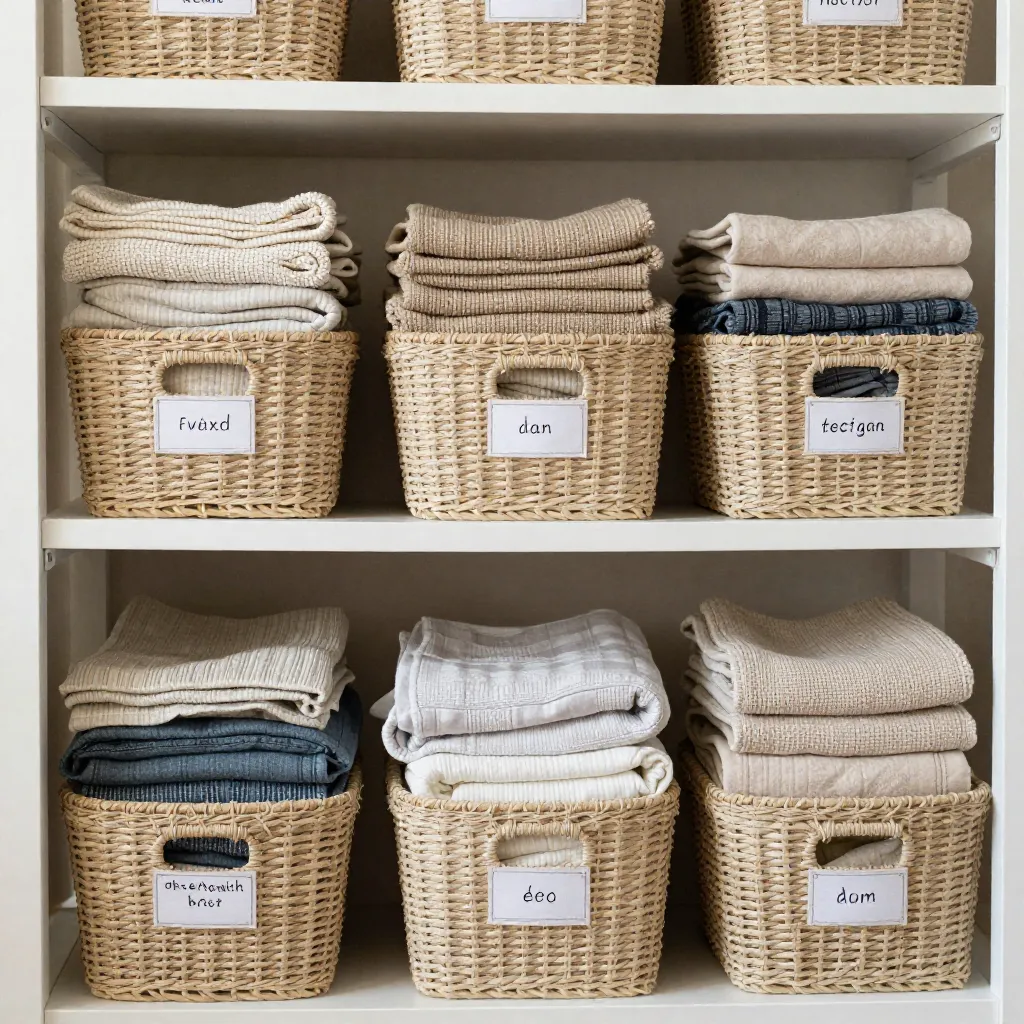
Understanding the composition of your textiles helps determine the most appropriate organization methods for each item in your collection.
Customized Approaches
Different materials may require different storage conditions within the same space, allowing for efficient use of available areas while respecting fiber needs.
Material Care Best Practices
Environment Considerations
Different natural fibers respond differently to environmental conditions. Understanding these responses helps create storage solutions that maintain fabric quality.
Regular assessment of storage conditions allows for adjustments that better serve the specific materials in your collection.
Combining knowledge of fiber properties with practical organization methods creates effective long-term storage solutions.
Long-Term Maintenance
Proper organization from the beginning helps prevent issues that can develop over time, maintaining textile quality and extending the useful life of your collection.
Periodic review of organization methods ensures they continue to serve your materials effectively as conditions and needs change.